

Cinema Seating and Operational Efficiency
How the Right Seats Reduce Costs and Improve Performance
When cinema operators evaluate seating, the focus is often placed on comfort and aesthetics. However, one of the most overlooked aspects is how cinema seating directly affects operational efficiency. The right seating system does not only improve the audience experience, but also reduces maintenance workload, minimizes long-term costs, and simplifies daily operations.
Every cinema hall operates under constant pressure. High turnover of visitors, frequent cleaning cycles, and continuous usage create a demanding environment. In such conditions, poorly designed seating quickly becomes a liability. Loose components, low-quality mechanisms, and weak materials lead to frequent repairs, downtime, and increased labor costs. Over time, these small issues accumulate into significant operational burdens.
Well-engineered cinema seating addresses these challenges from the beginning. Strong internal structures prevent deformation, while high-quality connection points ensure that components remain stable even after years of use. This level of structural reliability reduces the need for constant tightening, adjustments, or part replacements. For operators, this means fewer interruptions and lower maintenance expenses.
Cleaning efficiency is another critical factor. Cinema halls must be cleaned quickly between screenings, and seating design plays a major role in how easy this process is. Seats with smooth surfaces, minimal dust-trapping areas, and accessible floor space allow cleaning teams to work faster and more effectively. Upholstery materials that resist stains and are easy to wipe down further reduce cleaning time and effort.
Seat mechanisms also impact operational performance. In standard cinema seating, foldable seat systems should operate smoothly and consistently. If the mechanism is too weak or prone to failure, seats may remain open or become noisy, creating both visual disorder and customer discomfort. High-quality mechanisms ensure silent operation and long-term reliability, maintaining a clean and organized appearance in the hall.
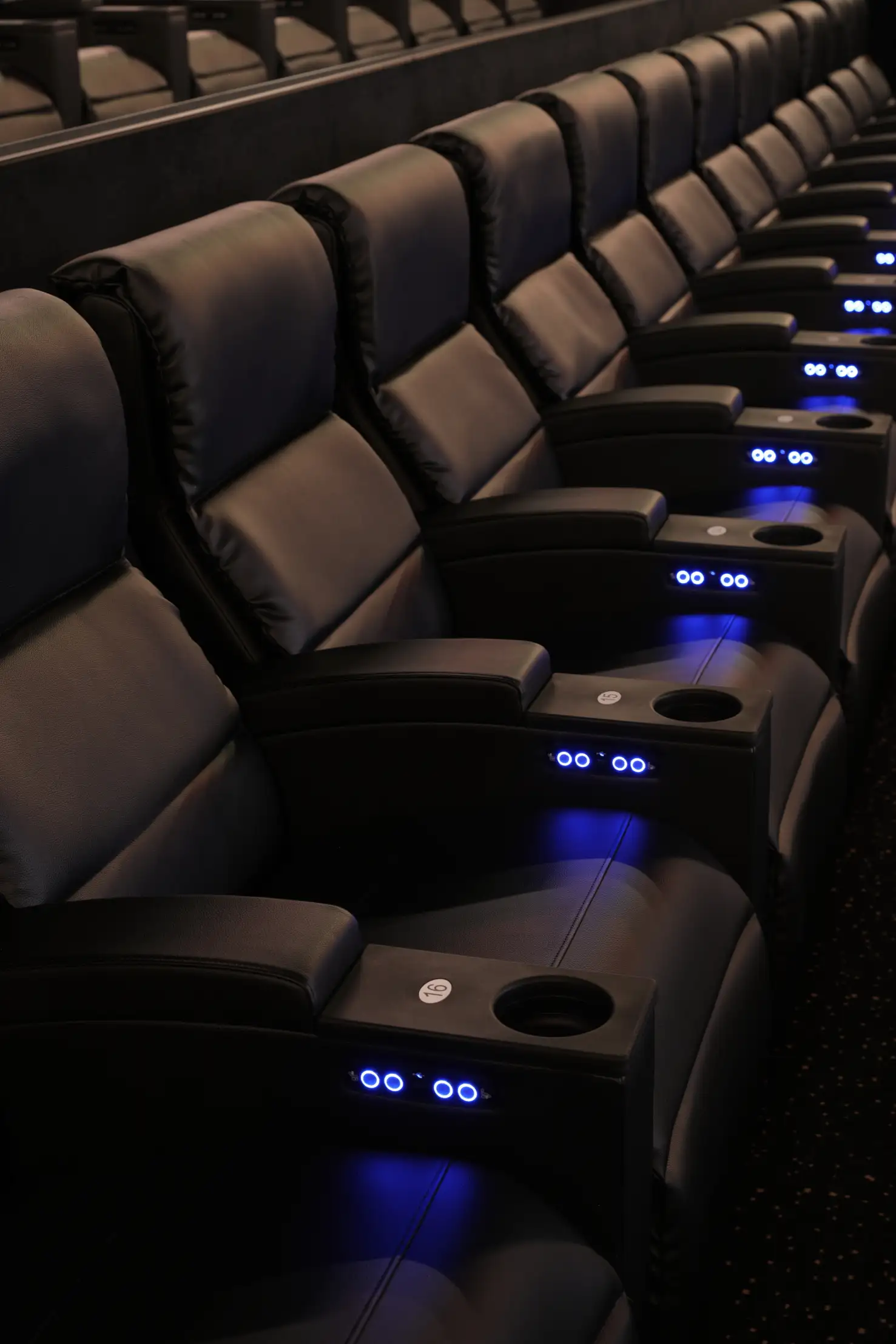
In recliner seating, the importance of reliability becomes even greater. Mechanical or motorized systems must function flawlessly under repeated use. A single malfunctioning recliner can negatively affect customer satisfaction and require immediate attention. For this reason, robust engineering and tested components are essential. Easy access to internal parts also allows for quick servicing when needed, minimizing downtime.
Material selection contributes significantly to operational efficiency. Flame-retardant fabrics and leathers are not only a safety requirement but also a practical advantage. High-quality materials maintain their appearance over time, resist wear, and require less frequent replacement. In addition, stain-resistant treatments reduce the impact of spills, which are common in cinema environments.
Another important aspect is modularity. Seating systems designed with replaceable components allow operators to address issues quickly without replacing entire units. For example, if an armrest or upholstery section is damaged, it can be replaced individually. This reduces costs and ensures that the seating system remains in good condition without major interventions.
Space optimization also plays a role in operational efficiency. Well-designed seating layouts provide sufficient legroom and accessibility while maintaining an efficient use of space. Clear pathways and properly aligned rows make it easier for both staff and customers to move within the hall. This improves overall flow and reduces congestion during entry and exit.
Noise control is another factor often linked to seating quality. Loose parts, worn mechanisms, or low-quality materials can create unwanted noise during use. In a cinema environment, even small sounds can disrupt the viewing experience. High-quality seating systems are designed to operate quietly, preserving the acoustic integrity of the hall.
From a financial perspective, operational efficiency directly affects profitability. Lower maintenance costs, reduced downtime, and faster cleaning processes all contribute to improved performance. While high-quality seating may require a higher initial investment, it delivers long-term savings by minimizing ongoing expenses.
Reliability also strengthens brand perception. A cinema with well-maintained, clean, and fully functional seating creates a sense of professionalism and quality. Customers are more likely to return to a venue where everything works as expected. On the other hand, visible wear, broken seats, or inconsistent performance can damage reputation and reduce customer loyalty.
Safety is another operational consideration that cannot be ignored. Flame-retardant materials, stable structures, and properly secured components all contribute to a safer environment. Compliance with safety standards not only protects users but also reduces legal and operational risks for cinema operators.
Ultimately, cinema seating should be evaluated not only for how it looks or feels, but for how it performs over time. A well-designed seating system supports daily operations, reduces workload, and ensures consistent quality across all screenings.
By focusing on durability, ease of maintenance, and reliable performance, cinema operators can create more efficient and sustainable operations. In this context, cinema seating becomes more than a product. It becomes a tool that directly supports the long-term success of the business.
Created By : Monseat